
Understanding the dynamics of global interconnection
Borders blur as digital networks facilitate instant communication, creating a singular global village. Political decisions in one region now trigger immediate economic ripples across oceans, compelling nations to collaborate on shared challenges like climate change, security, and resource distribution.
Global Unity
Adapting investment strategies in volatile markets
Inflationary pressures and shifting geopolitical alliances force investors to rethink traditional asset allocation. Diversification now extends beyond stocks into digital assets and commodities to mitigate systemic risks.
Central banks implement rigorous policies to stabilize currency values while attempting to foster industrial growth without overheating the economy.
Emerging economies in Asia and Africa represent the new frontier for high-yield opportunities, driven by rapid urbanization and tech adoption.
Corporate governance now heavily weighs environmental and social responsibility scores, influencing capital flow towards ethical business practices.
FinTech disruptions allow small businesses to access capital previously reserved for large corporations, democratizing economic participation globally.

Decentralized banking protocols
Blockchain ledgers ensure transparency and reduce cross-border transaction fees.

Algorithmic trading systems
High-frequency data analysis executes complex market trades in mere milliseconds.

Micro-financing solutions
Mobile platforms empower entrepreneurs in developing nations with instant credit access.

Digital era
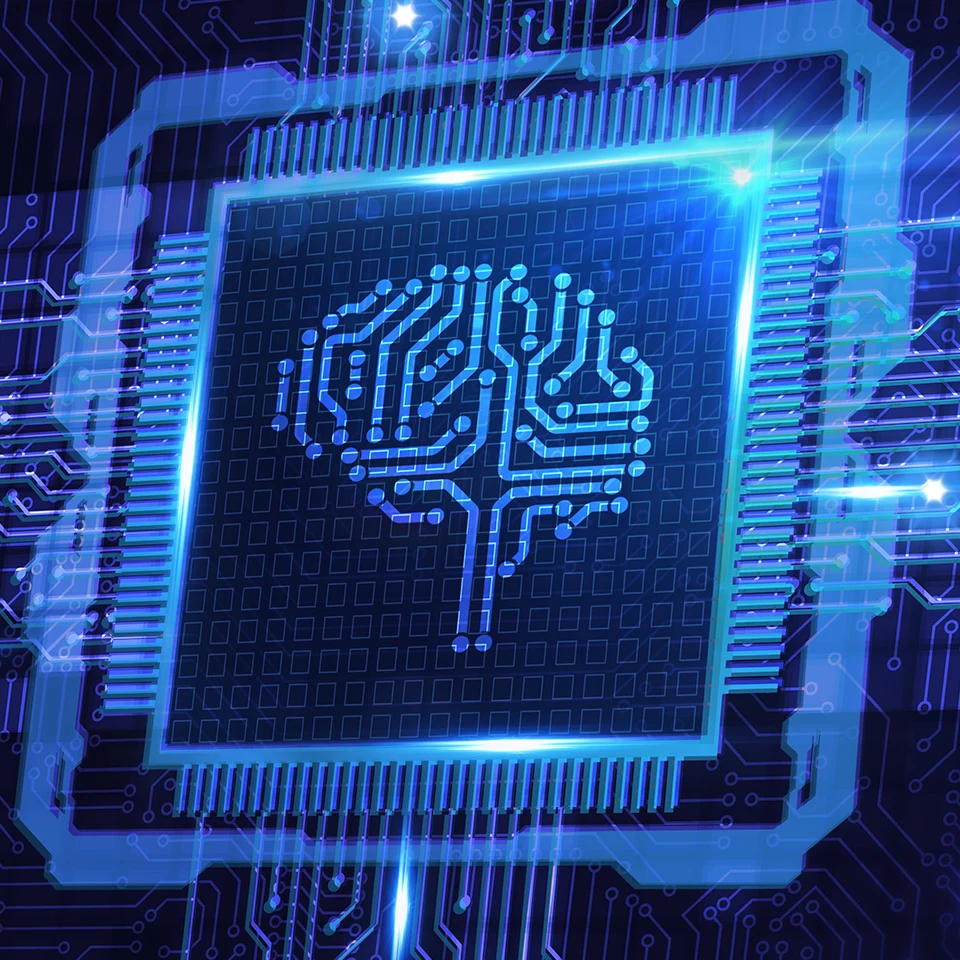
The unstoppable rise of intelligent automation
Artificial intelligence has graduated from experimental labs to essential infrastructure, optimizing everything from logistics networks to creative design processes. Machine learning algorithms now predict consumer behavior with uncanny accuracy, while robotics revolutionize manufacturing floors by handling complex assembly tasks. This technological wave demands a skilled workforce ready to collaborate with autonomous systems rather than compete against them.
Neural network processing

Biometric security layers

Cloud computing infrastructure

Virtual reality interfaces
Green shift
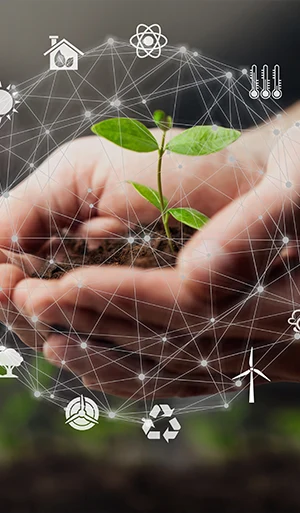
Transitioning towards renewable energy ecosystems
Decarbonization goals drive the rapid deployment of solar arrays and wind farms across suitable geographies. Beyond generation, the focus intensifies on grid modernization and efficient storage capabilities, such as lithium-ion batteries, to manage intermittent supply. Industries are simultaneously adopting circular economy principles, reducing waste by redesigning lifecycles to ensure materials remain in use for as long as possible.

Vital health
Holistic approaches to modern well-being
Personalized genomic medicine
DNA sequencing allows doctors to tailor treatments specifically to an individual’s genetic makeup. This precision reduces side effects and significantly increases the efficacy of therapies for complex conditions like cancer or autoimmune disorders.
Integrative mental therapies
Mental resilience is now prioritized alongside physical fitness. Mindfulness practices, digital detox strategies, and cognitive behavioral therapy are accessible via mobile apps, helping individuals manage stress in an always-connected professional environment.
Modern living
Redefining lifestyle in a digital society
The concept of the workplace has dissolved into a fluid model where professionals operate from anywhere, fueling the rise of digital nomadism. This flexibility reshapes urban planning, with cities developing co-living spaces and community hubs that cater to transient yet connected populations. Experiences now outweigh material ownership, as people prioritize travel, culinary exploration, and cultural immersion over traditional asset accumulation.